
Loading
 Protecting consumers!

 18006669
BNPL & Buying Psychology: Why Decisions Feel Easier
Traditionally, purchasing decisions were heavily influenced by one major barrier: paying upfront. When consumers have to pay the full amount immediately, the brain experiences a sense of “loss,” often referred to as pain of paying. BNPL (Buy Now Pay Later) doesn’t increase your income. Instead, it changes how your brain perceives the act of paying.
1. Why do people hesitate before making purchases?
Before understanding BNPL’s effect, it’s important to look at why people hesitate:
- Fear of losing money instantly
- Concern about monthly expenses
- Uncertainty about the purchase
- Psychological discomfort of paying upfront
The stronger this discomfort, the harder it is to make a purchase decision.
2. How BNPL reshapes consumer psychology
With BNPL, the biggest psychological barrier is softened:
- One large payment becomes smaller installments
- Immediate pressure turns into manageable planning
- “Spending” feels more controlled
This doesn’t change the product value.
But it changes how the brain processes the decision.
3. 3 key psychological effects behind BNPL
3.1. Mental Accounting
People mentally divide money into categories. Smaller payments are perceived as part of regular monthly expenses rather than a large one-time cost.
3.2. Present Bias
We tend to prioritize immediate benefits over future costs. BNPL allows instant gratification while postponing payment, making decisions more appealing.
3.3. Reduced Payment Friction
Simplifying the payment process lowers resistance, making it easier to complete a purchase.
3.4 The positive side of BNPL
When used responsibly, BNPL offers real advantages:
Access to essential products at the right time
Support for work, study, and daily needs
Better cash flow management
Reduced need to delay important purchases
In many cases, waiting can cost more than acting early. BNPL helps bridge the gap between need and affordability.
Where the risk lies
Because BNPL makes decisions easier, it also creates risks if misused:
- Emotional purchasing instead of rational decisions
- Underestimating total spending
- Accumulating multiple small commitments
- Losing control over budget
BNPL isn’t the problem, lack of awareness is.
4. How to use BNPL wisely
4.1. Pause before deciding
Avoid instant decisions. A short delay helps distinguish real needs from impulses.
4.2. Start with actual needs
Ask: does this purchase serve a real purpose?
4.3. Think in total, not installments
Always consider the full cost, not just the smaller payments.
4.4. Keep a financial buffer
Maintain a safety margin to handle unexpected situations.
5. BNPL in modern consumption
BNPL is not about spending more.
It’s about spending smarter, if you understand the psychology behind it.
When you recognize these behavioral patterns, you gain control over your decisions instead of being driven by them.
Conclusion
In today’s consumption landscape, understanding psychology is as important as managing money. BNPL offers flexibility, but it also requires awareness. When you understand why decisions feel easier, you can make better choices.
MOVI is not just about flexible payments, it’s about helping users make smarter, more conscious financial decisions.
Source: Compilation
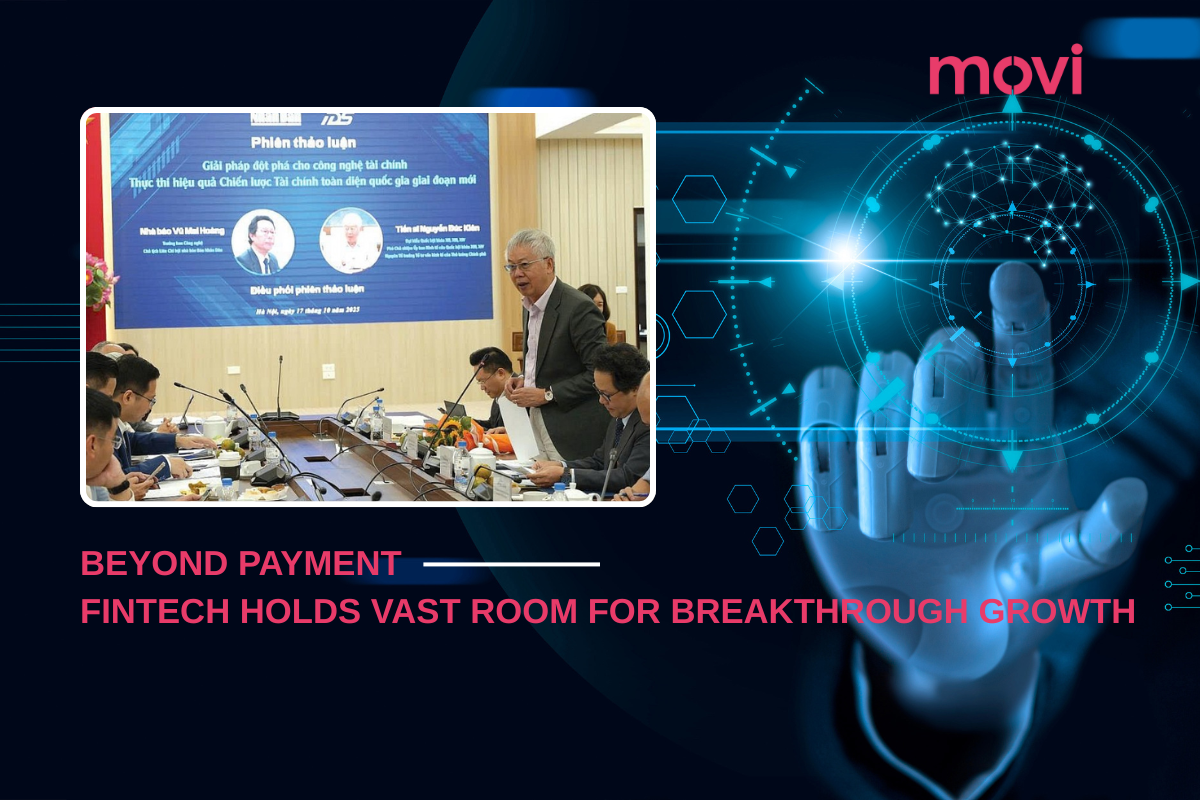
BEYOND PAYMENT, FINTECH HOLDS VAST ROOM FOR BREAKT...
28/10/2025
(TBTCO) – Fintech is creating strong momentum for cashless payment and digital financial s...
See more
MOVI is honored to receive Thank-you Letter from t...
21/09/2021
MOVI is honored to receive Thank-you Letter from the Vietnam General Confederation of Labo...
See more
SMART SPENDING IS ABOUT TIMING, NOT CUTTING BACK
13/02/2026
For years, personal finance advice has centered around one simple idea: spend less to save...
See more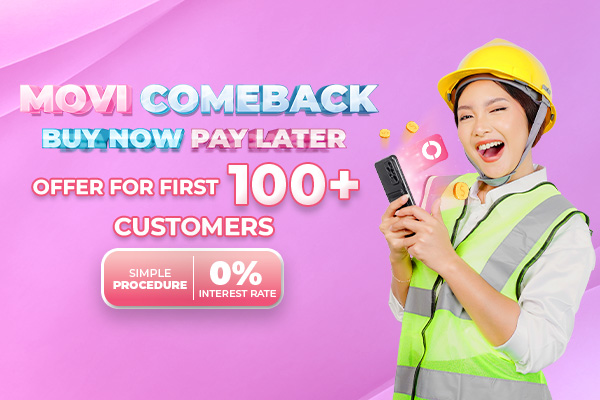
MOVI COMEBACK - BUY NOW PAY LATER AT CHANG SHIN &...
29/09/2025
MOVI COMEBACK - BUY NOW PAY LATER AT CHANG SHIN & POU CHEN FACTORY IN SEPTEMBER
See more
SIGNING CEREMONY BANK PARTNERSHIP AGREEMENT VIETIN...
29/06/2020
SIGNING CEREMONY BANK PARTNERSHIP AGREEMENT VIETINBANK – MOVI
See more
MOVI OFFICIALLY LAUNCHES THE PIONEERING PRODUCT "F...
11/05/2022
MOVI OFFICIALLY LAUNCHES THE PIONEERING PRODUCT "FLY NOW - PAY LATER"
See more
Viet Phu Payment Services Support Corporation
This website is established for the purpose of introducing MOVI Benefits Program deployed by Viet Phu and it's partners including but not limited to introduce the Partner, the goods, services sold in MOVI Benefits Program.


